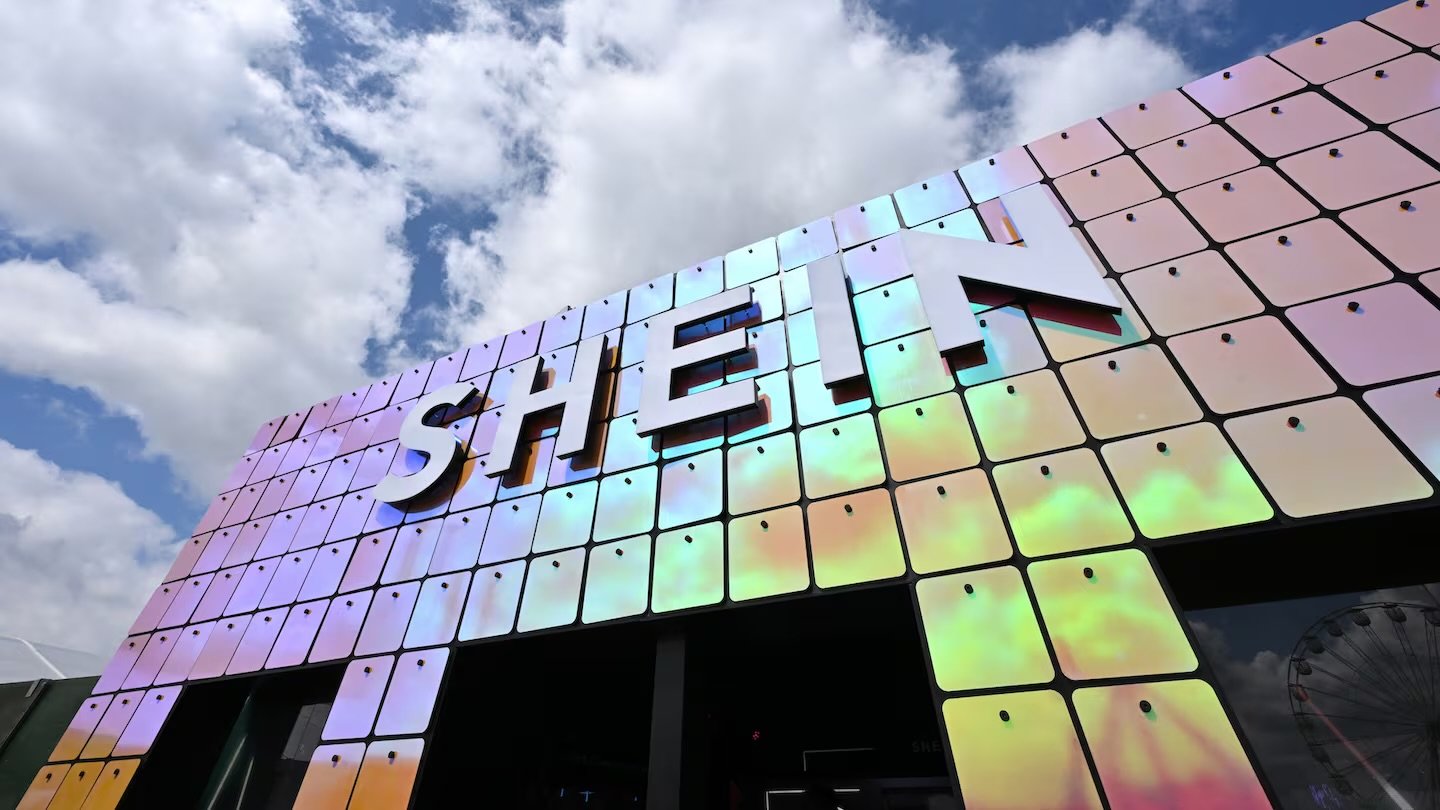
Fast-fashion giant accuses officials of “overreach” as Paris tribunal weighs unprecedented three-month shutdown
Shein, the global ultra-fast-fashion powerhouse, is once again at the centre of controversy — this time in France, where the government is seeking an extraordinary three-month suspension of the platform. The move, Shein argues, is not only excessive but deeply political.
During a tense hearing at the Paris tribunal, Shein’s lawyer, Kami Haeri, sharply criticised the government’s stance, calling the proposed suspension “disproportionate”. The company maintains that the items in question — including a childlike sex doll and various weapons — were removed from the third-party marketplace promptly after being flagged by authorities in November.
According to Haeri, French officials are leveraging “political anger” to justify a severe, unprecedented measure.
Government Pushes Back: “A Behemoth With No Regard for Minors”
Representing the French state, attorney Renaud Le Gunehec painted a starkly different picture. He described Shein as a “behemoth” operating with minimal regard for consumer protections, especially concerning minors. He noted the retailer only recently implemented age verification features after years of criticism.
“There was, until four or five weeks ago, complete indifference from Shein toward minors,” Le Gunehec said, citing a concerning lack of safeguards that persisted until authorities intervened.
The public prosecutor’s office, however, did not align fully with the government’s suspension request. While acknowledging the seriousness of the issue, prosecutors argued that Shein had already taken corrective action — meaning the tribunal’s ruling should focus on preventing future harm, not punishing past actions.
A decision is expected Dec. 19, a date now closely watched by the global retail industry.
A Broader Political and Economic Battle
Shein’s growing physical and digital presence in France has sparked rising tensions. Its first Paris store in BHV Marais ignited protests from local designers, labour advocates, and politicians, who accuse the brand — and similar China-based platforms — of flooding the market with ultra-cheap goods, questionable labour practices, and unregulated items.
Beyond the tribunal, France is lobbying Brussels for tougher oversight of foreign e-commerce companies. The European Commission has requested formal clarification from Shein regarding protections for minors and methods to prevent illegal product sales.
At the same time, France is urging the EU to fast-track higher customs duties on low-value parcels, a move that could undermine Shein’s business model. Currently, packages valued under €150 avoid customs duties — a loophole that has benefited fast-fashion giants shipping directly from overseas.
The proposed reform, initially planned for 2028, could now come years earlier if France succeeds in accelerating the timeline.
A High-Stakes Moment for Global Fast Fashion
As regulators worldwide scrutinise the ultra-fast-fashion industry, Shein’s battle in France highlights a broader confrontation between global e-commerce platforms and governments seeking greater oversight.
If France’s suspension request succeeds, it could set a historic precedent — not just for Shein, but for the entire industry.
For now, the world watches as the December ruling approaches, a moment that could reshape the future of fast fashion across Europe.